
FAQ: Eye Exam in Arlington, TN
At Primary Eye Care of Arlington, we provide comprehensive eye exams in Arlington, TN, to evaluate vision clarity, eye function, and overall eye health. Our experienced team offers personalized care based on each patient’s vision needs, medical history, and lifestyle. Below are frequently asked questions on eye exams.
1. What is included in an eye exam in Arlington, TN?
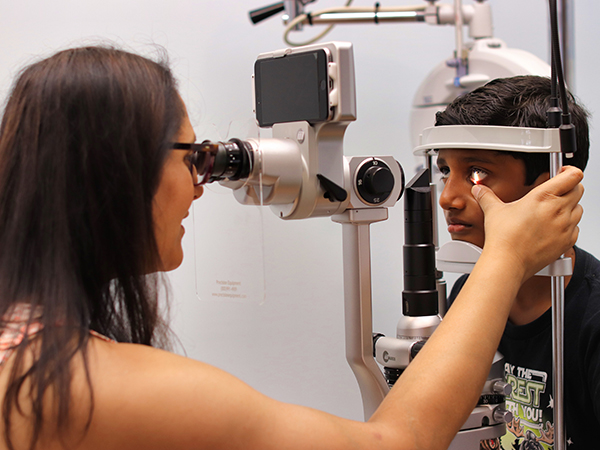
During an eye exam at our Arlington, TN office, we assess your visual clarity, eyeglass prescription, eye coordination, peripheral vision, eye pressure, and overall eye health. Additional testing may be recommended based on your age, symptoms, medical history, or previous eye conditions.
2. How often should I schedule an eye exam in Arlington, TN?
We generally recommend scheduling an eye exam once a year. Annual visits allow us to monitor changes in your eyesight, update your prescription when needed, and look for early signs of eye conditions that may not cause noticeable symptoms.
3. Why is a comprehensive eye exam important?
A comprehensive eye exam in Arlington, TN, evaluates much more than whether you see clearly. We examine how your eyes work together and assess the internal and external health of your eyes. This helps us identify concerns early and provide recommendations for protecting your long-term vision.
4. Do I need an eye exam if my vision seems clear?
Yes, clear vision does not always mean your eyes are completely healthy. Some eye conditions develop gradually without affecting vision during their early stages. Regular eye exams at our Arlington, TN office allow us to check for concerns that may otherwise go unnoticed.
5. What symptoms mean I should schedule an eye exam?
You should schedule an eye exam in Arlington, TN, if you experience blurry vision, frequent headaches, eye strain, double vision, difficulty seeing at night, flashes, floaters, or sudden changes in your eyesight. Prompt evaluation helps us determine the cause and recommend appropriate care.
6. What eye conditions can be detected during an eye exam?
An eye exam may help identify signs of glaucoma, cataracts, macular degeneration, diabetic eye disease, and other conditions affecting the eyes. Eye examinations may also reveal changes associated with certain general health conditions, including diabetes and high blood pressure.
7. Will my pupils be dilated during an eye exam in Arlington, TN?
Dilation is not required during every eye exam at our Arlington, TN office. We recommend it when a more detailed view of the retina and optic nerve is needed. Our eye doctor will consider your age, medical history, symptoms, and available imaging before deciding whether dilation is appropriate.
8. Is eye pressure checked during an eye exam?
Eye pressure is commonly measured during a comprehensive eye exam in Arlington, TN. This quick test helps us screen for glaucoma and monitor pressure changes over time. Eye pressure is only one part of a glaucoma evaluation, so additional testing may be recommended when necessary.
9. Do people with diabetes need regular eye exams?
People with diabetes should receive regular comprehensive eye exams in Arlington, TN, because diabetes can damage the blood vessels in the retina. These changes may begin without obvious symptoms. Routine monitoring helps us identify diabetic eye disease early and coordinate care when treatment is needed.
10. Are eye exams different for older adults?
Eye exams for older adults often place additional focus on age-related conditions such as cataracts, glaucoma, and macular degeneration. We also evaluate prescription changes, reading vision, contrast sensitivity, and other concerns that may affect daily comfort, independence, and safety.
11. Should children receive comprehensive eye exams in Arlington, TN?
Children should receive comprehensive eye exams in Arlington, TN, even when they pass a school vision screening. A complete examination evaluates focusing, eye coordination, depth perception, and eye health. Detecting vision concerns early may help support comfortable reading, learning, and classroom performance.
12. Can an eye exam in Arlington, TN, update my glasses prescription?
Yes, an eye exam at our Arlington, TN office includes testing to determine whether your glasses prescription has changed. We discuss your visual needs and recommend lenses based on your results, daily activities, work environment, and preferences for distance, computer, or reading vision.
13. Is a contact lens exam the same as an eye exam?
A contact lens exam includes additional measurements and evaluations beyond a standard eye exam. We assess how contact lenses fit on your eyes, review your wearing habits, and determine the appropriate lens type and prescription. A separate contact lens evaluation may therefore be required.
14. How should I prepare for an eye exam in Arlington, TN?
Before your eye exam in Arlington, TN, bring your current glasses, contact lenses, medication list, insurance information, and details about your medical and eye health history. It is also helpful to write down any vision changes, discomfort, or questions you would like to discuss with our team.
15. Why choose Primary Eye Care of Arlington for an eye exam in Arlington, TN?
Primary Eye Care of Arlington provides personalized eye exams using a thorough approach to vision and eye health. At our Arlington, TN office, we take time to understand your concerns, explain your results, and recommend care that supports your current needs and long-term vision.
To schedule an eye exam in Arlington, TN, contact Primary Eye Care of Arlington at (901) 867-5540. Our team is ready to help you arrange a convenient appointment and receive the personalized eye care you need.

Arlington Office
Contact Information
Office Hours
- Monday 8:00 AM - 5:00 PM
- Tuesday 8:00 AM - 5:00 PM
- Wednesday 8:00 AM - 5:00 PM
- Thursday 8:00 AM - 5:00 PM
- Friday 8:00 AM - 12:00 PM
- Saturday Closed
- Sunday Closed
Memphis Office
Contact Information
Office Hours
- Monday Closed
- Tuesday By Appointment
- Wednesday By Appointment
- Thursday By Appointment
- Friday 8:00 AM - 5:00 PM
- Saturday 9:00 AM - 12:00 PM
- Sunday Closed
© 2026 Primary Eye Care of Arlington & South Main. All rights Reserved. Accessibility Statement - Privacy Policy - Sitemap
Managed and Designed by:
